
wild sourdough bread
November 3, 2011 § 3 Comments

I had a sourdough starter given to me from a friend who had been given it from someone else who had inherited it from his mother. The original was rumored to be 30 years old or so the story goes, and no wonder it made such lovely bread. It wasn’t my first, I had inherited others and made some myself but I was never devoted enough to go the distance as travels would take me here and there and houses were often new. Needless to say, a lot of them got lost or perished along the way. But during their various lives spent with me, they all became well-loved members of the family.
Even though my descendent of the 30 year old starter had not been in my life more than four months it was no exception, it had worn a comfortable place in my heart. But one day it mysteriously disappeared, the little jar where it sat dormant in the fridge was gone without a trace. My reaction was one of somewhat panic. The mysteriousness made it all the more tormenting. I felt I had lost a wise old friend.
After some lonely days left yearning for some dough to stir and knead and bake and smell, I pulled myself together to start again, from scratch, to see what kind of a beast this spring Melbourne air would bring to a culture. Also, I have been wanting to post a recipe on sourdough for sometime now but never knew quite where to start… I guess at the very beginning is best.
Sourdough is pretty much a way of making bread without conventional yeast, instead you use natural yeasts harnessed from the air. And thats what is so very wonderful about it, every culture is unique taking the native variety that comes with the location.
How to make sourdough bread
The starter

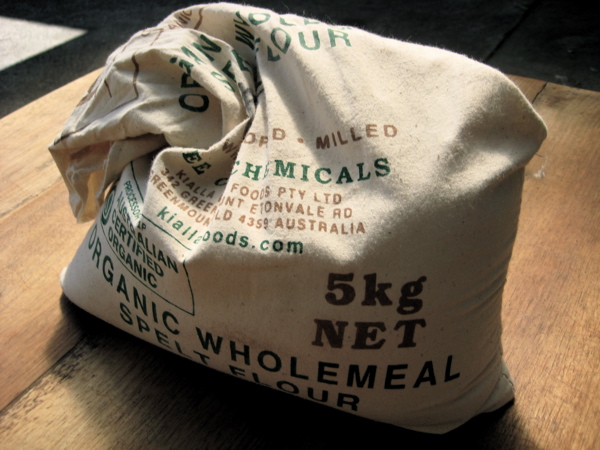
Place 1 cup flour (I like using spelt or rye, but any wholemeal flour will do) and 1 cup water in a large wide-mouthed jar, stir well and let it sit, covered with a muslin cloth, for about 4-6 days or until it starts to bubble. During this time you must stir it at least once a day, twice is better – once in the morning and once in the evening. When it bubbles and starts to rise in the jar you should notice it has a nice sour smell. You can now add 1 tablespoon of flour every day for 3 or 4 days and continue stirring as before. It should get more bubbly and be doubling in size between feeds. Now you know it is ready and you can either feed it one last time and store in the fridge with a muslin cloth covering the jar or begin making your bread.
When storing the starter in the fridge it is best to feed it about 2 – 3 Tbsp of flour and a dash of water twice a week, it should remain the consistency of a thick paste or very wet dough. It will last in the fridge for about 3 weeks without being fed but might need a bit of extra feeding and stirring to get it happily bubbly again. You will get a feel for it as you go along.

The bread
The foundation for this recipe comes from another old friend Jenny, who gave me my very first sourdough culture about 5 years ago.
First you will need to empty the sourdough starter into a large bowl. Here its best to use a porcelain non reactive bowl. Stir in 1 cup water and 1 cup flour (again I like to use spelt or rye, but you can use any flour, or any combination of flours). Return half the mixture back into your jar, cover with your muslin cloth and return to the fridge for next time. Let what is left in the bowl sit for 6 – 12 hours. I usually cover it with a plate to prevent anything falling in.
When it is active and bubbly again, add another cup flour and water, mixing well. Allow to rest for another 6 – 12 hours (the colder the weather the longer it will need). Once active for a final time, its ready to make your bread!! (note if you used a starter that had been left in the fridge unfed for more than a week it might need one more feed at this stage to get it really bubbly and happy again). You should now have roughly 2 cups of mixture.
The final stage
To your mixture add, 1 cup water, ~ 3 – 3 1/2 cups flour and 1 tsp salt. Stir until combined. Then knead for 10 minutes adding more flour as needed.
Richard Bertinet has a wonderful technique for kneading, really just the French way, but he is where I discovered it. I found a rather unglamorous you-tube demonstration here. You will need a slightly wetter dough than my recipe, so add less flour. Also, I have never had success with this kneading method when I have used rye. A combination of spelt and wheat or all wheat seems to work best. I think high gluten is important here. You will end up with a more chewy result with this technique but its a bit more tricky so it might be best to master the basic sourdough before moving into complicating ways of kneading.
Once kneaded into a smooth dough, place into a greased and lightly floured bread tin and allow to rise covered with a damp cloth or plastic bag, until it doubles in size. This is usually between 6 and 12 hours depending on the temperature. Hot weather will make it rise a lot faster. You also have to be careful you don’t let it over rise as you will notice it starts sinking again.
Finally, bake in a pre-heated oven at 200°C/390°F for about 45 minutes or until it sounds hollow when tapped.
For example
Fri AM – Feed and split
Fri PM – Feed
Sat AM – Knead and put in tin
Sat PM – Bake

For further reading on sourdough see Sally Fallon’s Nourishing Traditions and Sandor Ellix Katz Wild Fermentation
Rob’s chickpea pumpkin and date salad
October 14, 2011 § 8 Comments

As summer is on its way and the days get warmer, lighter fresh meals are entering the kitchen. Yet those vegies we typically associate with summer are not quite here. I love the winter flavours with a summer feel that this salad, served for dinner tonight by my friend Rob, embodies. Memories of winter somehow all the more pleasurable because they can be enjoyed from the warmth of spring.
Rob is not your typical looking cook, red-haired, you will often find him saw on grain woodworking some design at the back of the house in a cloud of fine dust that settles in his beard and hair, or gazing into space with one of his many instruments saddled in his lap. But Rob keeps surprising me with his kitchen skills and kindly agreed when I asked him to post his recipe… admitting he got it from somewhere else but long enough ago to have forgotten where and changed along the way. You can find his music here where he plays with the lovely Jess Ribeiro and the Bone Collectors. And here is his salad, Chickpea, Pumpkin and Date.
How to Make Chickpea Pumpkin and Date Salad
Roughly Chop about 1/2 a pumpkin and sprinkle it with 1 tsp ground cumin and 1 tsp ground coriander, drizzle with olive oil and bake in an oven at 180 degrees Celsius for about 1/2 to 3/4 of an hour.
In the meantime take 2 cups dried chickpeas and cook in boiling water until soft (if your feeling lazy, or you want to, you can just use 2 cans chickpeas)
Combine in a large bowl with the pumpkin, a cup of roughly chopped dried dates, a handful of chives finely chopped, 2 bunches coriander roughly chopped, juice and rind of one lemon and a good dashing of olive oil. Add salt and pepper to taste and voilà!
roast vegies and baby beetroots
September 19, 2011 § 4 Comments

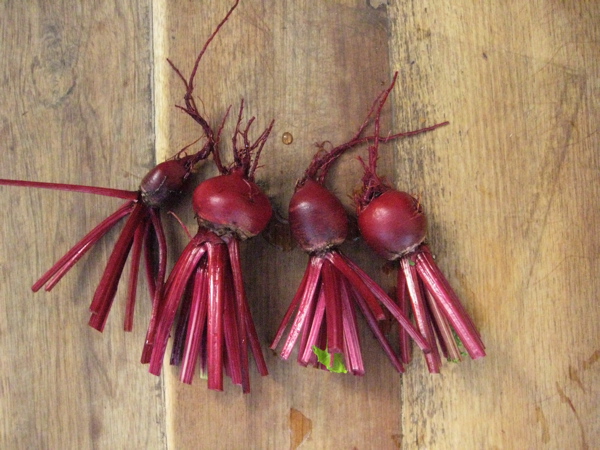
I pulled these little beets from the garden today. So sweet!
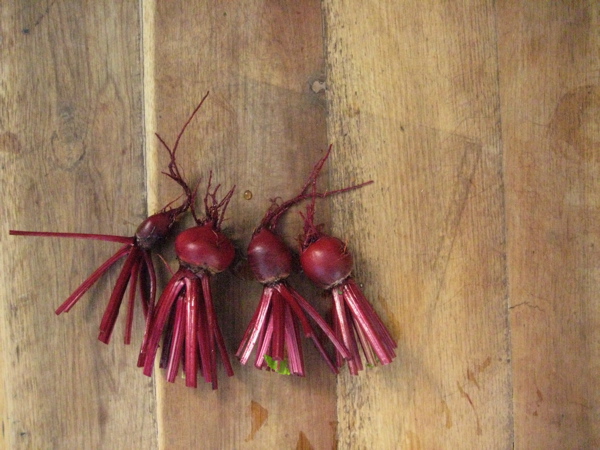
A friend recently told me about roasting them stalks and all with a dash of vinegar and salt.

Without enough to make a meal of them, here is what I did. Popped them in a tray with pumpkin, sweet potato, carrots, cherry tomatoes, garlic, fresh thyme and rosemary. Sprinkled them with salt, a generous helping of olive oil and a dash of balsamic vinegar. And into the oven at 200°C/390°F they went.
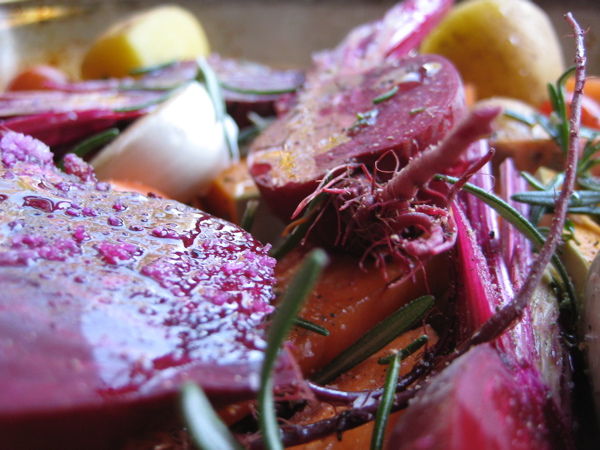
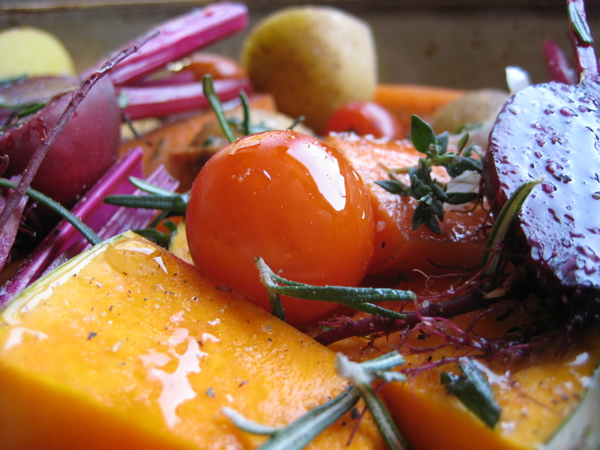
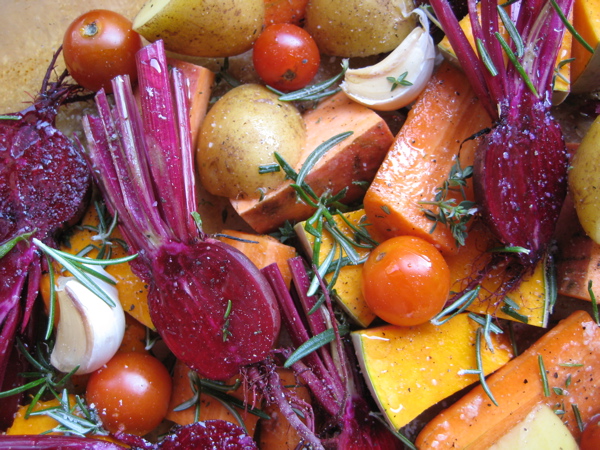
1 hour and 25 minutes later, our old gas oven taking longer than most, out they come.

I stirred together a handful of chopped coriander, some mint, 2 tablespoons yoghurt, a dash of olive oil, salt and pepper to taste and served it with the vegies.
It made for a fine lunch on a warm windy day.

sauerkraut
July 29, 2011 § 1 Comment
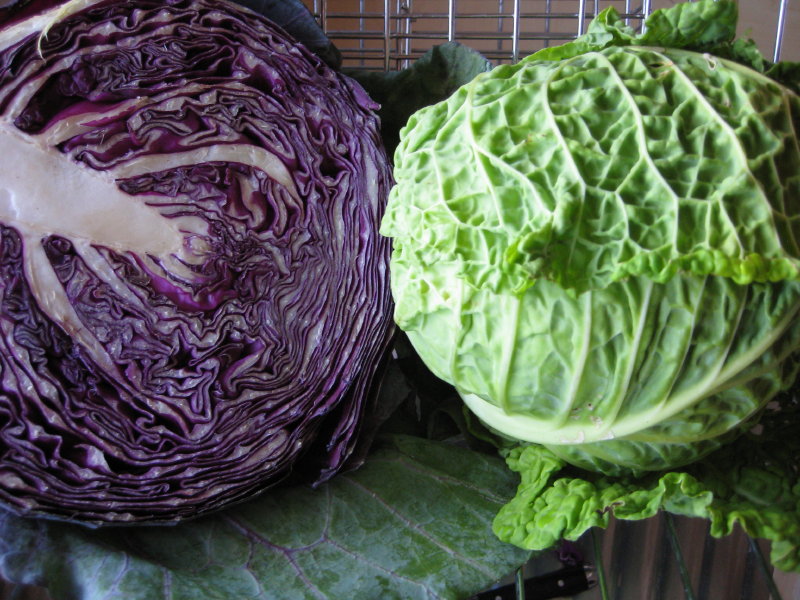
The fermentation of cabbage is a very ancient chinese tradition that is believed to have come to Europe with the nomadic Tartars. So whilst we usually associate Sauerkraut with Germany, it is really only the name that bares its origin there. The French on the other hand call it ‘choukrout’.
Interestingly the fermentation of sauerkraut takes place with 3 different microorganisms in different successional stages of the process determined by increasing acidity. However when making sauerkraut you don’t have to worry about this, the microorganisms will take care of themselves wonderfully. What you will have to do is very very simple.
I find it so satisfying and a little bit magical harnessing the bacteria from the air to transform food. As you will probably come to know, fermentation is one of my most favourite things. On this matter, sauerkraut is a very good place to start, as it is really very very easy.

This recipe comes from Sally Fallon’s book Nourishing Traditions.
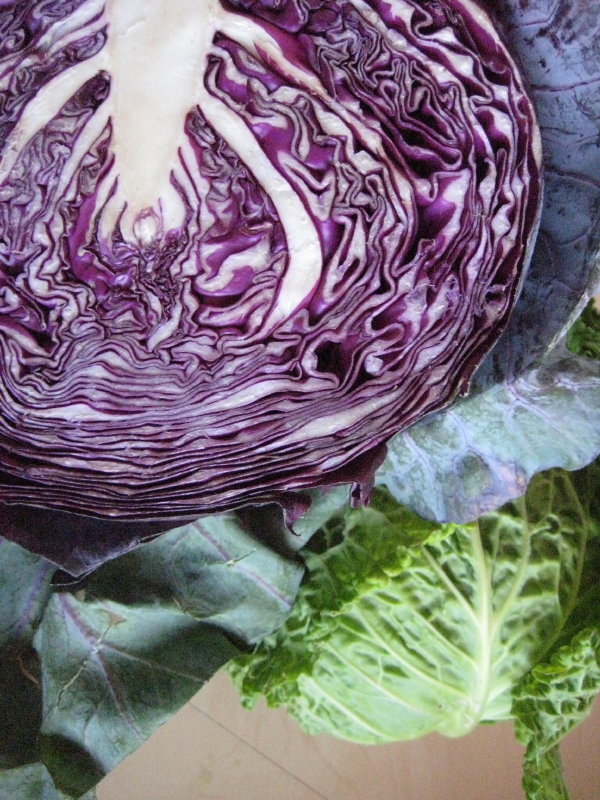
1 medium organic cabbage, cored and shredded (use half red and half green and end up with a beautiful pink sauerkraut)
1 Tbsp sea salt
4 Tbsp whey (alternatively use an additional 1 Tbsp salt)
Shred the cabbage and combine in a bowl with the salt and whey.

Pound with a wooden pounder, or anything similar you can get your hands on. I usually use a metal potato masher. Keep this up for about ten minutes to release the juices.
Place in a large wide mouthed and steralised glass jar. Press down firmly with pounder or potato masher until the juices rise above the cabbage. The top of the cabbage should be at least 1 inch bellow the jars mouth. Cover tightly and leave at room temperature for approximately 3 days before transferring to the fridge. It is then ready to but will improve with age.
jerusalem artichoke and leek soup
July 10, 2011 § Leave a comment

Its cold again. Winds carrying a deep bite. The chill sinking into all the corners of the city, making its way up my street, into my house and crawling up through my toes and fingertips. Still, not so bad that it can’t be fixed with a steaming bowl of soup, a hot water bottle tied to my kidneys and a woolen blanket wrapped around my waist. It does require a waddle rather than a walk, but somehow the heater alternative is only reserved for very special occasions. A hard-line habit, that I’m telling you, a part of me is looking forward to the day I grow out of.
But winter also comes with so many wonderful and soothing vegetables. I talked about kale before – with its leaves of grandma skin. And in following that thought, its only fair I offer you a recipe from the wizened old Jerusalem artichoke – wrinkled like grandpa memories.
Simple and good, a bowl of this soup on a cold winters day is sure to make you delighted! And like all the best recipes, it starts with butter!
Ingredients
40 g butter
2 cloves garlic
1 large leek
1/2 tsp paprika
1/2 tsp nutmeg
600 g Jerusalem artichoke
200 g potatoes
750 ml stock
Salt and pepper to taste
Pre-heat the oven to 200°C /390°F
Roast the artichokes and potatoes in the oven along with a dash of olive oil and salt and pepper to taste until cooked through (about 45 minutes).

Heat the butter in a large saucepan, add the garlic and leek. Fry until soft. Add all the remaining ingredients including the roasted vegetables and bring to the boil. Puree. Add salt and pepper to taste and serve with crusty bread.
spiced dried chocolate oranges
June 25, 2011 § 8 Comments

Beware, these chocolate oranges are deliciously addictive. This is the third time I have made them in the last week and finally I have had a chance to photograph them before they are gobbled up. I got the idea for dried chocolate oranges the other day when I visited a little florist in Thornbury. On a shelf in the middle of the shop, hard to miss, there were little bundles of all different dried fruit. I was admiring the apples, glistening with a drizzle of toffee, when I spied the dried orange segments each lovingly dipped in chocolate. I was just about to take a beautifully wrapped package up to the counter when I saw the price… $13! Needless to say that was enough to put the stingy student in me off, I went out and bought some green and blacks chocolate, picked some oranges off our very own tree, sliced them up, dried them in the oven, melted the chocolate, ‘lovingly dipped’ each orange segment, waited impatiently for them to set, and then sat down and nibbled and nibbled and nibbled until… I thought, I better make some more.

Recipe for spiced dried chocolate oranges
(Note, it may be a good idea to make double)
2 oranges
3 Tbsp raw organic sugar
1/2 tsp cinnamon
Pinch cloves
150 g very good quality dark chocolate
Pre-heat oven to 110°C/250°F. Cut the oranges in half lengthways and then slice thinly (about 3 mm thick) as bellow.

Toss the oranges in a bowl along with the sugar and spices until evenly covered. Carefully place on a baking tray lined with baking paper and pop in the pre-heated oven until the rind becomes brittle and dry. About 2 hours, however this will vary considerably depending on your oven.
Melt the chocolate in a bowl over boiling water. Dip each orange segment into the chocolate. Allow to set on a tray lined with baking paper before devouring.

Preserving Olives
June 13, 2011 § 11 Comments

We live in one of the old Greek and Italian neighbourhoods of Melbourne. One of those suburbs that every now and again sport concrete lawns dotted with olive and lemon trees. A very particular aesthetic that I myself am not particularly partial to but nevertheless, I appreciate the mini suburban farms even though embedded in a cement landscape of which I can only imagine is a good way of keeping out the weeds. I am lucky enough to enjoy the advice of an old greek man who sometimes happens by when I’m in the front yard. He leans over the fence, a subtle aroma of cigarettes, commenting on the progress of our orange tree and the vegies in the garden. I enjoy the aged and wisened advice, it is the stuff I cherish most.
So it is at this time of year that trees are heavy with black fruit and the markets and grocers are brimming with plump and round olives.
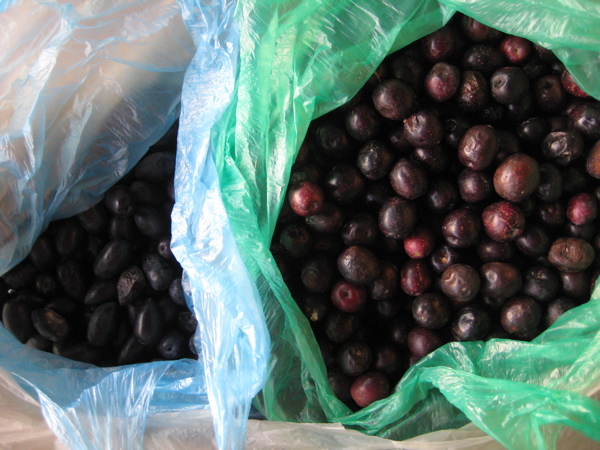

I have never pickled olives before, and from a little research, have learned there is more than one way of going about it. Jim Massoto gives a wonderful step by step set of instructions and advice which you can find here. However his process takes 20 days in which you soak the olives in briny water that you change every day.
We decided, to go for a rather simpler option that a friend let us in on after he was given the advice from an olive seller at Preston Markets. With this method you may end up with olives that are slightly more bitter, but after tasting our friends and considering this process was much nicer on the environment as less salt would be poured down the drains, we were convinced. Also, it’s no where near as much hassle.
How to preserve olives
First, you want to make sure you pickle your olives when they are as fresh as you can get them as they are quick to spoil. Pick out any bruised or spoiled olives as they have an off flavour.
Sterilize a bunch of big jars. Wash the olives thoroughly and place in the jars. Cover with briny water (100 g salt dissolved per 1 litre water). Then pour a layer of olive oil on the top of the water and seal tightly. The fuller the better, as the less air inside the jar, the less likely they will contaminate. Leave in a dark cool place for about 3 – 4 months or until they develop a rich olive flavour. A layer of scum will develop at the top of the jar, however this is said to be helpful in taking away the bitterness of the olives.


And we wait, fingers crossed.
the first of kale
May 30, 2011 § 3 Comments
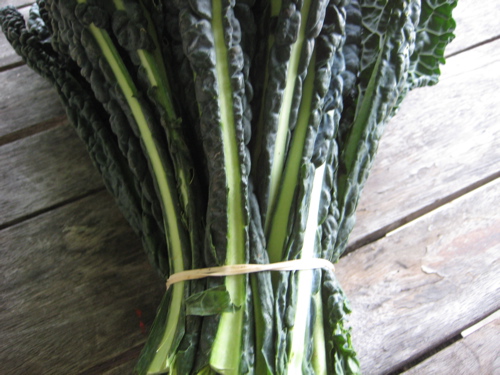
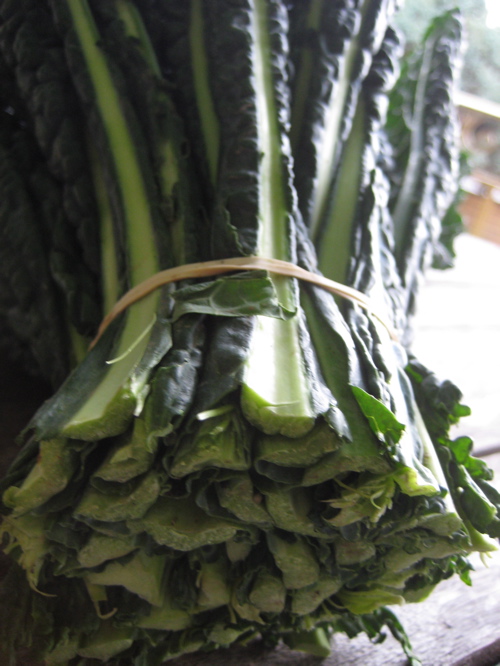 Kale is in season!
Arriving in our bountiful vegie boxes fresh from Ceres Fair Food it brings a smile to my heart. There is something comforting about the grandma skin like leaves, green and dusty grey, krinkled like a well worn landscape. Its tough and rubbery exterior is deceiving. When cooked its facade melts as it turns deep green, softly crunchy and tangy.
Here is how I ate my first winter kale.
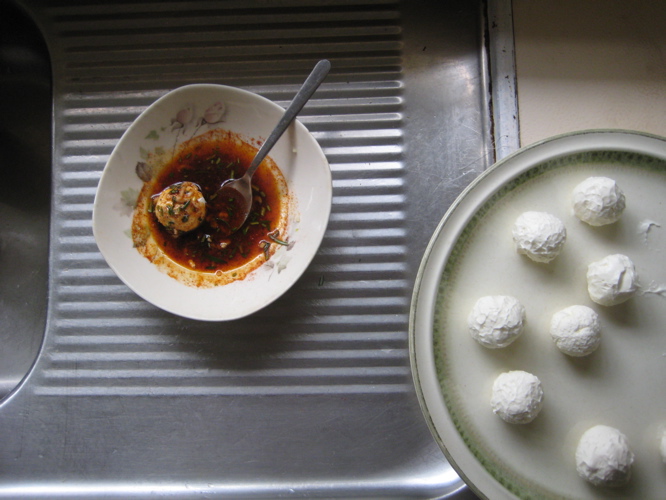
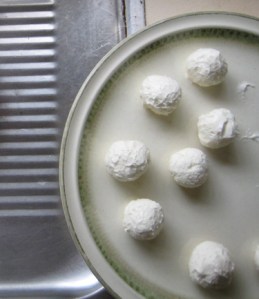
To start with, I took some labna, which you can make by following the recipe in my last post, and rolled it into balls.
I mixed together some paprika, rosemary, salt and garlic.

I added olive oil and dipped each ball.
I washed the kale, removed the stalks and chopped it roughly.
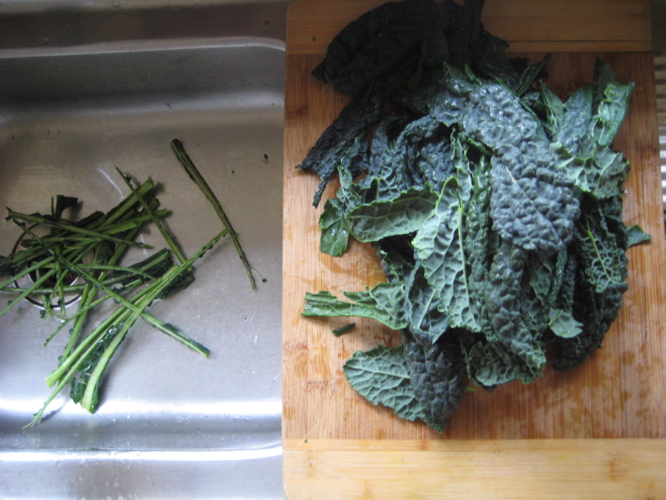
I placed the kale in a fry pan with more garlic, some butter and a little olive oil and cooked it until just wilted.
Then I popped it on some crusty toasted bread along with the labna.

And I ate it all up.

It was delicious.
Labna and Whey
May 27, 2011 § 3 Comments
Traditionally eaten in Lebanon, Palestine, Syria and Jordan labna is a wonderful and easy way to make your own soft white cheese. Labna is creamy and delicious and works equally well with savory or sweet things. For example, spread it on toast with honey or alternatively garlic, olive oil and tomato. Eat it with stewed fruit or next to curries and so on.
To make Labna, you need to separate the whey from yoghurt. You are then left with a beautiful soft cheese and whey.
Whey is incredibly nutritious. Sally Fallon notes in her book, Nourishing Traditions, that whey has been used to cure a variety of human ailments since the time of the ancient Greeks. It is full of minerals and one teaspoon taken in a glass of water is said to help digestion. It is also said to help keep your joints, muscles and ligaments young and movable.
So to separate your whey from your yoghurt, you will need to place your yoghurt in a muslin cloth.

And suspend over a bowl either in a sieve or hanging from a wooden spoon and leave in a cool place for 24 hours.
 You should then be left with a good layer of whey in the bottom of your bowl and lovely soft white cheese. Store your whey in a glass jar in the fridge.

To store your labna you can roll it into balls and cover with olive oil (obviously not if you want to use it for something sweet).
When life hands you lemons: olive oil, lemon and cardamom muffins
May 14, 2011 § 4 Comments
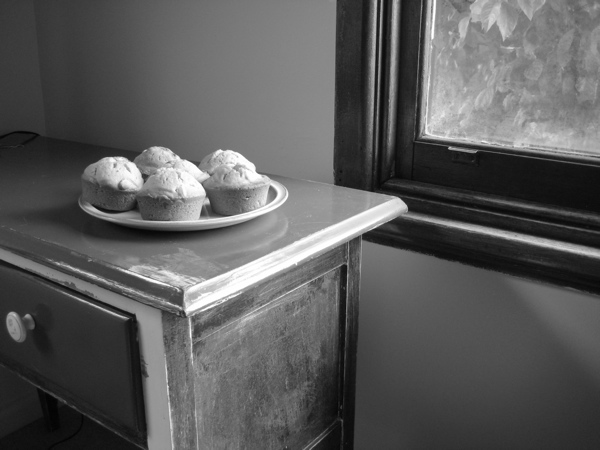
A lemon tree grows outside my bedroom window bushy and tall, almost the height of the house. From my bed I can watch them ripen on the branches too high to reach. And when I can’t contain myself any longer, I head out with a ladder and pull them down. The skin is rich with its lemony oils that fill the house when they are brought inside.


How to make Olive Oil Lemon Cardamom Muffins
1 1/2 cups castor sugar
1 1/4 cups olive oil
3/4 cup milk
2 eggs
3 cups plain flour
1 dessert spoon of baking powder
Zest of 2 lemons
1 1/2 tsp freshly ground cardamom
1 tsp vanilla essence

Pre-heat oven to 170°C. Stir all ingredients in a large mixing bowl until just combined. Cook for 1/2 an hour or until cooked through when tested with a skewer.

 the invisible cookbook